
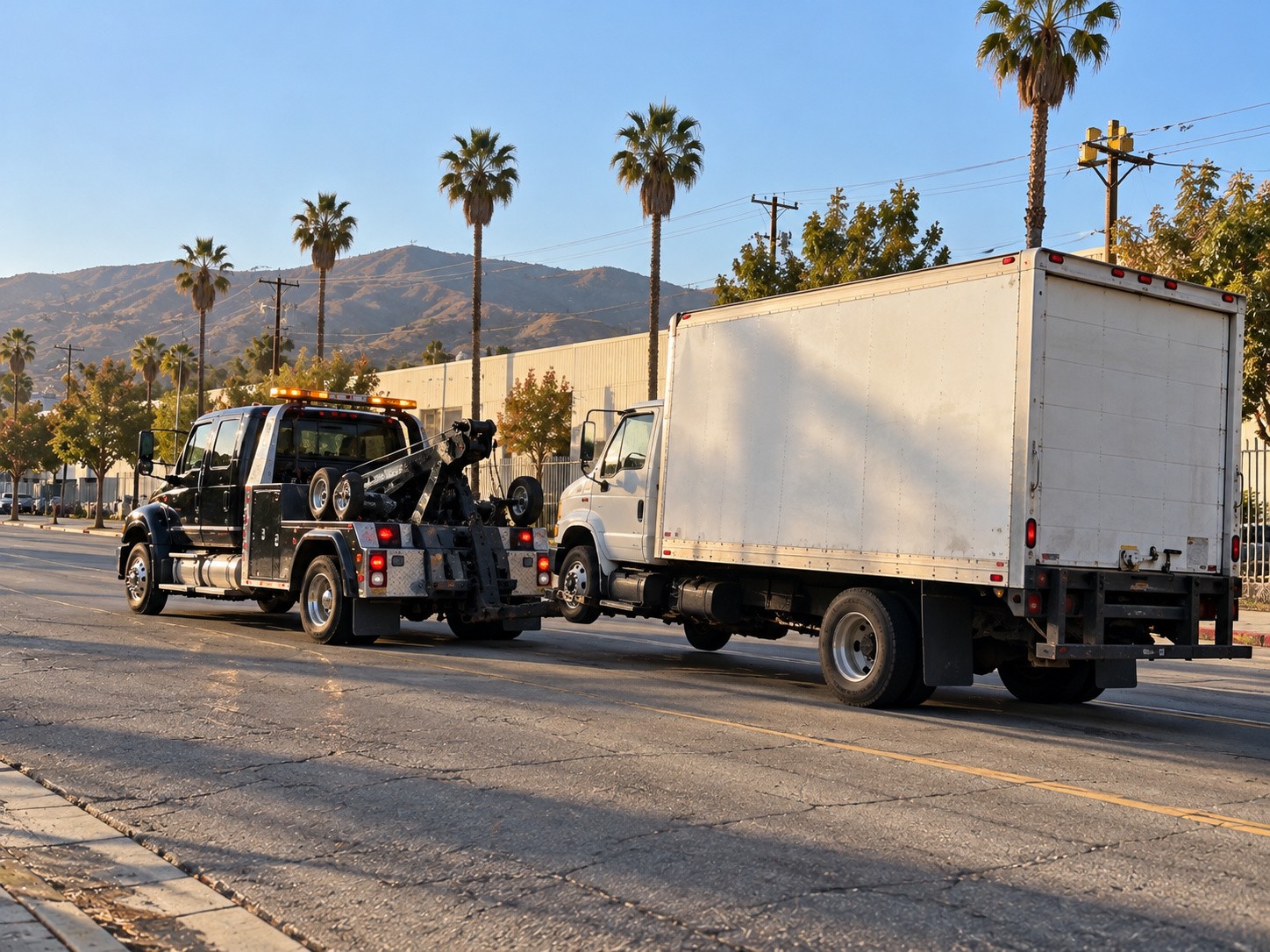
An overheating engine is one of the most serious and potentially costly mechanical problems a driver can face on the road. Unlike a flat tire or a dead battery, which are frustrating but relatively straightforward to deal with, an overheating engine can cause severe and permanent damage to some of the most expensive components in your vehicle if it is not handled quickly and correctly. In the worst cases, a severely overheated engine can result in a warped cylinder head, a blown head gasket, or even a completely seized engine, repairs that can cost thousands of dollars or potentially write off the vehicle entirely.
Short answer: If your temperature gauge climbs, turn off the AC, turn the heater on high and pull over as soon as it’s safe. Turn off the engine, and don’t open the hood or the radiator cap until it cools. If the car keeps overheating, or you see steam or leaking coolant, don’t drive it. Call (747) 877-8577 for a tow.
The problem is that many drivers are simply not sure what to do when their temperature gauge starts climbing toward the red zone or when they see steam rising from under the hood. The instinct for some is to keep driving and hope the problem resolves itself, while others may pull over immediately but then make decisions that unintentionally make the situation worse. Neither of these approaches is ideal, and both can result in significantly more damage to the engine than would have occurred with the right response.
In the Greater Los Angeles area, overheating is a particularly common problem. The combination of heavy stop-and-go traffic, high ambient temperatures, long commutes, and the demanding conditions of driving in a densely populated urban environment puts significant stress on vehicle cooling systems. Understanding what to do when your car overheats, and acting on that knowledge quickly and calmly, can be the difference between a manageable repair and a catastrophic engine failure.
In this guide, we walk you through exactly what to do if your car overheats on the road, step by step, so you are prepared to handle the situation correctly if it ever happens to you.
How to Recognize That Your Car Is Overheating
Before diving into what to do, it is worth understanding how to recognize the signs of an overheating engine, because catching the problem early gives you the best chance of preventing serious damage. Here are the most common warning signs that your engine is overheating:
Temperature Warning Light or Gauge: The most obvious and direct indicator of an overheating engine is the temperature warning light on your dashboard, usually a red thermometer symbol, illuminating, or your temperature gauge climbing into the red zone at the far right or top of the gauge. Most vehicles have a temperature gauge that normally sits somewhere in the middle of its range during regular driving. If you notice the gauge climbing significantly higher than usual, or if the warning light comes on, treat it as an immediate warning sign that requires action.
Steam Coming From Under the Hood: If you see steam or smoke rising from under the hood of your vehicle, your engine is almost certainly overheating. This steam is typically coolant that has boiled and is escaping from the cooling system. If you see steam, you need to pull over immediately.
Unusual Smells: An overheating engine can produce a sweet, syrupy smell from boiling coolant, or a burning smell from engine components that are getting too hot. Either of these smells while driving is a warning sign worth taking seriously.
Reduced Engine Performance: In some cases, an overheating engine may cause the vehicle to feel sluggish, lose power, or run roughly as the engine management system attempts to protect the engine by reducing performance.
Ticking or Knocking Sounds: An engine that is running significantly hotter than normal may begin to produce unusual ticking, knocking, or pinging sounds as metal components expand beyond their normal operating tolerances.
Step 1: Take the Warning Signs Seriously and Act Immediately
The single most important thing to understand about an overheating engine is that time is of the essence. Every additional mile you drive with an overheating engine increases the risk of serious and potentially irreversible damage. Many drivers make the mistake of thinking they can push through to their destination or to the nearest service station before dealing with the problem, and this decision often turns what could have been a minor and relatively inexpensive repair into a catastrophic engine failure.
The moment you notice any of the warning signs described above (whether it’s the temperature warning light, the gauge climbing into the red, steam from under the hood, or an unusual smell) you need to begin taking action immediately. Do not ignore these signs, do not hope they will go away on their own, and do not keep driving as if nothing is wrong. Act quickly, stay calm, and follow the steps below.
Step 2: Turn Off the Air Conditioning and Turn On the Heater
This may sound like a strange and uncomfortable piece of advice, but it is a well-established and effective technique for reducing engine temperature in the short term. Your vehicle’s air conditioning system puts additional load on the engine, which generates more heat at exactly the moment when you need to be reducing the heat load on the engine as much as possible. Turning off the air conditioning immediately reduces this extra load and gives the cooling system a better chance of bringing the temperature back under control.
Taking this one step further, turning on the heater, and setting it to the highest heat and fan settings, actually draws heat away from the engine and into the passenger cabin, acting as an additional radiator and helping to reduce engine temperature more quickly. Yes, this will make the interior of the vehicle very hot and uncomfortable, but it is a temporary measure that can buy you valuable time to get the vehicle safely off the road before serious damage occurs.
Step 3: Pull Over Safely and Turn Off the Engine
As soon as it is safe to do so, begin moving your vehicle toward the right side of the road and pull over in a safe location as far from traffic as possible. If you are on a freeway, follow the same procedure outlined in our guide to handling a flat tire on the freeway: gradually reduce speed, signal your intention to move right, and guide the vehicle smoothly and calmly to the shoulder or the nearest safe stopping area.
Once your vehicle is safely stopped, turn off the engine immediately. Running a severely overheating engine even for a short additional time can cause significant damage, so shutting it off as soon as you are safely stopped is critical. Turn on your hazard lights to make your vehicle visible to other road users, apply the parking brake, and step away from the vehicle if it is safe to do so.
Step 4: Do Not Open the Hood Immediately
Once you have pulled over and turned off the engine, resist the urge to immediately open the hood to investigate. When an engine overheats, the coolant in the cooling system can reach extremely high temperatures and build up significant pressure. Opening the hood too soon after the engine has been running hot exposes you to the risk of being sprayed with scalding hot coolant or steam if any part of the cooling system releases pressure suddenly.
Wait at least 15 to 20 minutes after turning off the engine before opening the hood. This gives the engine time to begin cooling down and the pressure in the cooling system time to reduce to a safer level. During this waiting period, stay a safe distance from the vehicle if you can smell burning or see steam, and do not attempt to remove the radiator cap or touch any part of the cooling system.
Step 5: Check the Coolant Level Carefully
After waiting at least 15 to 20 minutes and the engine has had time to cool down somewhat, you can carefully open the hood to check the coolant level. Before doing anything else, locate the coolant reservoir, a translucent plastic tank connected to the radiator, typically with a brightly colored cap marked with a warning symbol. Check the coolant level against the minimum and maximum markers on the side of the reservoir.
If the coolant level is low or empty, this is likely a significant contributing factor to the overheating. If you have a bottle of coolant or even clean water available, you can carefully top up the coolant reservoir to the maximum level as a temporary measure. However, it is critically important that you only do this after the engine has cooled down sufficiently, never add cold water or coolant to a hot engine, as the sudden temperature change can cause thermal shock and crack the engine block or cylinder head.
Even if topping up the coolant allows you to restart the vehicle, this is only a temporary fix. A low coolant level indicates that there is a leak or another problem with the cooling system that needs to be properly diagnosed and repaired by a qualified mechanic as soon as possible.
Step 6: Do Not Restart the Engine Until It Has Cooled Down
Once you have turned off an overheating engine, do not attempt to restart it until you are confident it has cooled down sufficiently. Restarting a hot engine before it has had time to cool can cause additional damage and may trigger another overheating episode almost immediately, leaving you in a worse position than before.
A general guideline is to wait at least 30 minutes after the engine has been turned off before attempting to restart it, though longer is better if the situation allows. If you do attempt to restart the engine after it has cooled, watch the temperature gauge very carefully. If it begins climbing toward the red zone again quickly, turn the engine off immediately and call for assistance. Do not attempt to drive to your destination if the engine continues to overheat after restarting.
Step 7: Call for Help
If your engine has overheated significantly, if you are unable to identify or address the cause of the overheating, or if the vehicle continues to overheat after restarting, calling for professional help is the right course of action. Continuing to drive an overheating vehicle is one of the fastest ways to turn a manageable repair situation into a catastrophic and extremely costly engine failure.
Calling a towing company to have your vehicle transported to a qualified mechanic or auto repair shop is almost always the safest and most sensible decision when dealing with a significant overheating situation. A mechanic can properly diagnose the root cause of the overheating (whether it’s a coolant leak, a faulty thermostat, a failing water pump, a clogged radiator, a blown head gasket, or another issue) and carry out the necessary repairs in a controlled and safe environment.
At Rosario Swift Towing Services, we provide fast and reliable towing throughout North Hollywood and the surrounding Greater Los Angeles area. If your car has overheated and you need a tow to a repair shop, give us a call at (747) 877-8577 and we’ll get to you as quickly as possible.
Common Causes of Engine Overheating
Understanding what causes an engine to overheat can help you identify potential problems before they lead to a roadside emergency. Here are some of the most common causes of engine overheating:
Low or Leaking Coolant: Coolant, also known as antifreeze, is the fluid that circulates through your engine’s cooling system and absorbs excess heat. If the coolant level is low due to a leak or evaporation, the cooling system cannot function effectively and the engine temperature will rise. A coolant leak is one of the most common causes of engine overheating and should be addressed promptly by a qualified mechanic.
Faulty Thermostat: The thermostat is a small but critical component that regulates the flow of coolant through the engine. When the engine reaches operating temperature, the thermostat opens to allow coolant to circulate. If the thermostat fails in the closed position, coolant cannot flow through the engine and the temperature rises rapidly. A faulty thermostat is a relatively inexpensive repair that can prevent a much more serious and costly overheating situation.
Failing Water Pump: The water pump is responsible for circulating coolant through the engine and cooling system. If the water pump fails or is not functioning correctly, coolant cannot circulate effectively and the engine will overheat. Signs of a failing water pump include coolant leaks near the front of the engine, a whining or grinding sound from the water pump area, and, of course, engine overheating.
Clogged or Damaged Radiator: The radiator is the component that dissipates heat from the coolant as it passes through. If the radiator is clogged with debris, corroded, or physically damaged, it cannot effectively cool the coolant, leading to rising engine temperatures. Regular radiator flushes and inspections can help prevent radiator-related overheating issues.
Broken or Loose Serpentine Belt: The serpentine belt drives a number of important engine accessories, including the water pump and the alternator. If the serpentine belt breaks or becomes loose, the water pump may stop circulating coolant, leading to rapid engine overheating. A broken serpentine belt is usually accompanied by a loud squealing or snapping sound and may also cause the battery warning light to illuminate as the alternator stops charging the battery.
Blown Head Gasket: A blown head gasket is both a cause and a consequence of engine overheating. The head gasket seals the joint between the engine block and the cylinder head, preventing coolant and engine oil from mixing and maintaining the integrity of the combustion chambers. If the head gasket fails, often as a result of severe overheating, it can allow coolant to leak into the combustion chambers or oil passages, leading to further overheating, white smoke from the exhaust, and potentially catastrophic engine damage if not addressed immediately.
Heavy Traffic and Stop-and-Go Driving: In the Greater Los Angeles area, extended periods of slow, stop-and-go traffic can put significant strain on a vehicle’s cooling system. At highway speeds, airflow through the radiator helps cool the coolant efficiently. In slow traffic, this airflow is significantly reduced, placing a greater burden on the cooling fan and the rest of the cooling system. Vehicles with aging or borderline cooling systems are particularly vulnerable to overheating in these conditions.
How to Reduce the Risk of Your Car Overheating
While not every overheating situation can be prevented, there are several proactive steps you can take to significantly reduce the risk of your engine overheating, particularly in the demanding driving conditions of the Greater Los Angeles area:
Check Your Coolant Level Regularly: Make it a habit to check your coolant level regularly, particularly before long drives or during hot weather. Keeping the coolant topped up to the correct level is one of the simplest and most effective ways to prevent overheating.
Flush and Replace Your Coolant on Schedule: Coolant degrades over time and loses its effectiveness. Follow your vehicle manufacturer’s recommended schedule for flushing and replacing the coolant to ensure the cooling system is functioning at its best.
Have Your Cooling System Inspected Regularly: Include a cooling system inspection as part of your regular vehicle maintenance routine. A mechanic can check the condition of the thermostat, water pump, radiator, hoses, and coolant to identify and address any potential issues before they lead to an overheating situation on the road.
Keep an Eye on Your Temperature Gauge: Make it a habit to glance at your temperature gauge periodically while driving, particularly during hot weather or in heavy stop-and-go traffic. Catching a rising temperature early gives you the opportunity to take action before the situation becomes serious.
Don’t Ignore Warning Lights: If your temperature warning light comes on, treat it as an immediate priority, not something to deal with later. Ignoring a temperature warning light is one of the most reliable ways to turn a minor cooling system issue into a major engine repair.
Overheating Spots Around the Valley
Heat plus hills is the classic recipe for an overheating engine, and the Valley has both:
- Summer afternoons, when Valley temperatures often top 100 degrees
- The Cahuenga Pass on the 101 and the Sepulveda Pass on the 405, long climbs in stop-and-go traffic
- Laurel Canyon and Coldwater Canyon, steep climbs over the hills
- Rush hour on the 170 and the 134, when slow traffic means little air through the radiator
Before a long summer drive, check the coolant level with the engine cold, and keep an eye on the temperature gauge on the climbs.
Car Overheating in North Hollywood or the Greater LA Area? Call Us Now.
If your car has overheated and you need fast, reliable towing to a repair shop anywhere in North Hollywood or the surrounding Greater Los Angeles area, Rosario Swift Towing Services is ready to help. Our experienced team will get to you quickly and transport your vehicle safely to the repair facility of your choice so the problem can be properly diagnosed and repaired before it causes any further damage. Give us a call at (747) 877-8577 or fill out our online form to request assistance. We’re here when you need us most.
Frequently Asked Questions
Can I keep driving if my car is overheating?
No. Driving an overheating engine can warp the cylinder head or blow the head gasket. Pull over and let it cool.
How long should I wait before checking the coolant?
At least 30 minutes, until the engine and radiator are cool to the touch. Never open a hot radiator cap.
Can I add water instead of coolant?
In an emergency, water can get you to a shop, but your cooling system needs the right coolant mix. Have it checked soon.
Can you tow my overheated car to my mechanic?
Yes. We tow cars, SUVs, vans and trucks to the shop you choose.
Related Services
Car Overheating in North Hollywood?
Available day and night. Or send a quote request and we’ll call you back.